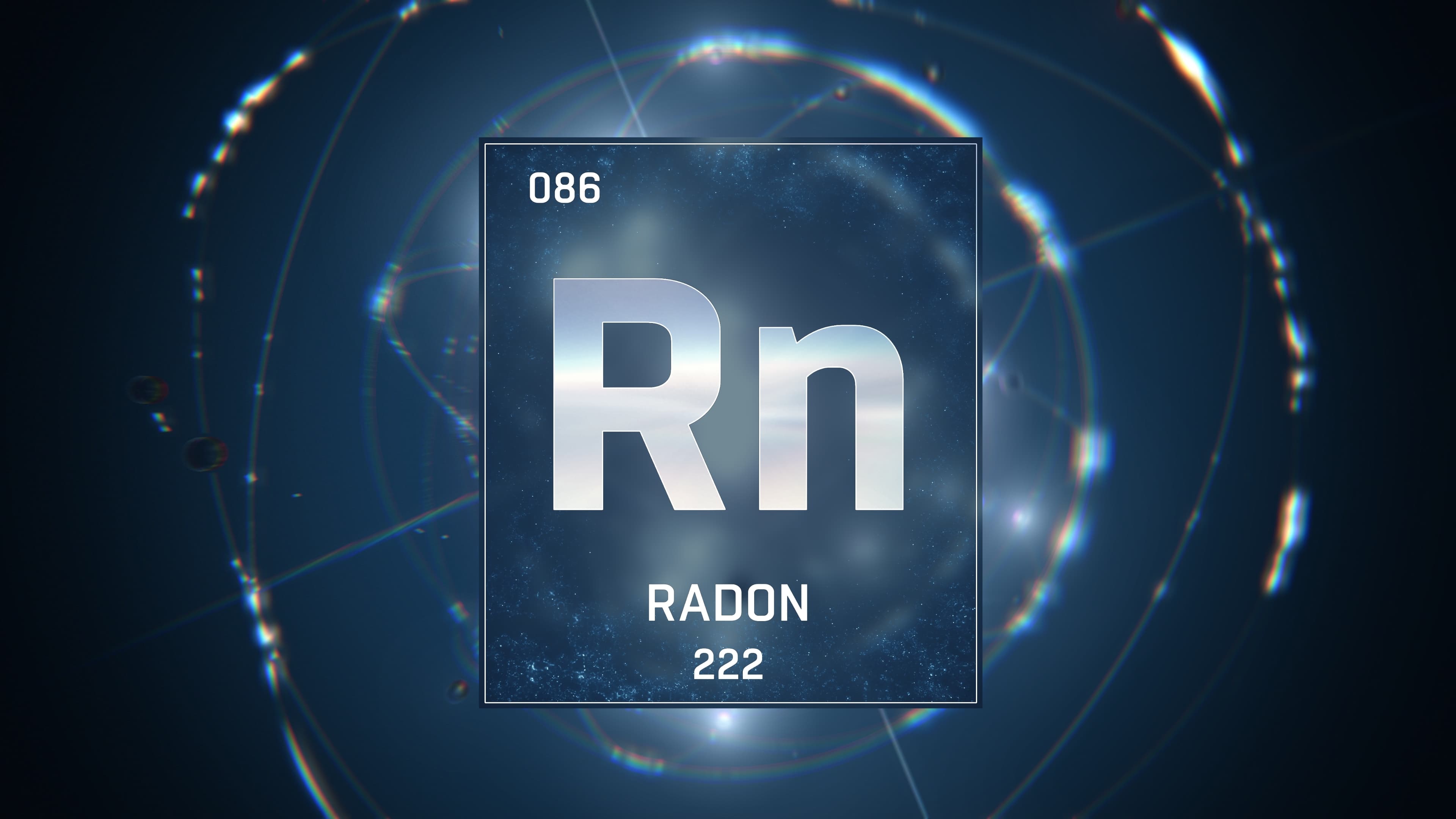
Quick answer: Radon is a colourless, odourless gas that comes up from the ground and can collect inside a home, mostly in basements and lower levels. You cannot see it or smell it, so the only way to know your level is to test. A radon test measures the concentration in your home so you can take action if it is high.
I'm Adam Lockwood, owner and lead inspector at Lockwood Home Inspections, a Carson Dunlop top-of-class graduate licensed with Consumer Protection BC. I serve Greater Victoria, the Saanich Peninsula, the West Shore, the Cowichan Valley, and Nanaimo, and I offer radon testing so homeowners can breathe easier.
What Radon Is and Why It Matters
Radon forms naturally as uranium in soil and rock breaks down. Outdoors it disperses and is harmless. Indoors it can build up, especially in the lower levels of a home where it enters through cracks in the foundation, gaps around pipes, and the joint where the wall meets the floor. Long-term exposure to elevated radon is a recognized health risk, which is why testing is worth doing.
Levels vary from home to home, even between neighbours on the same street. The house next door tells you nothing about yours. Your own test is the only reliable answer.
How Radon Testing Works
Testing is straightforward and non-invasive. A measurement device is placed in the lowest lived-in level of the home and left in position for a set period to capture an accurate reading. Conditions matter, so the home should be kept closed up in the normal way during the test. Once the test period is complete, the results tell you the concentration and whether action is recommended.
Fall and winter are a good time to test on the Island, since homes are shut up against the rain and cold, which is when indoor levels tend to be highest.
What Your Results Mean
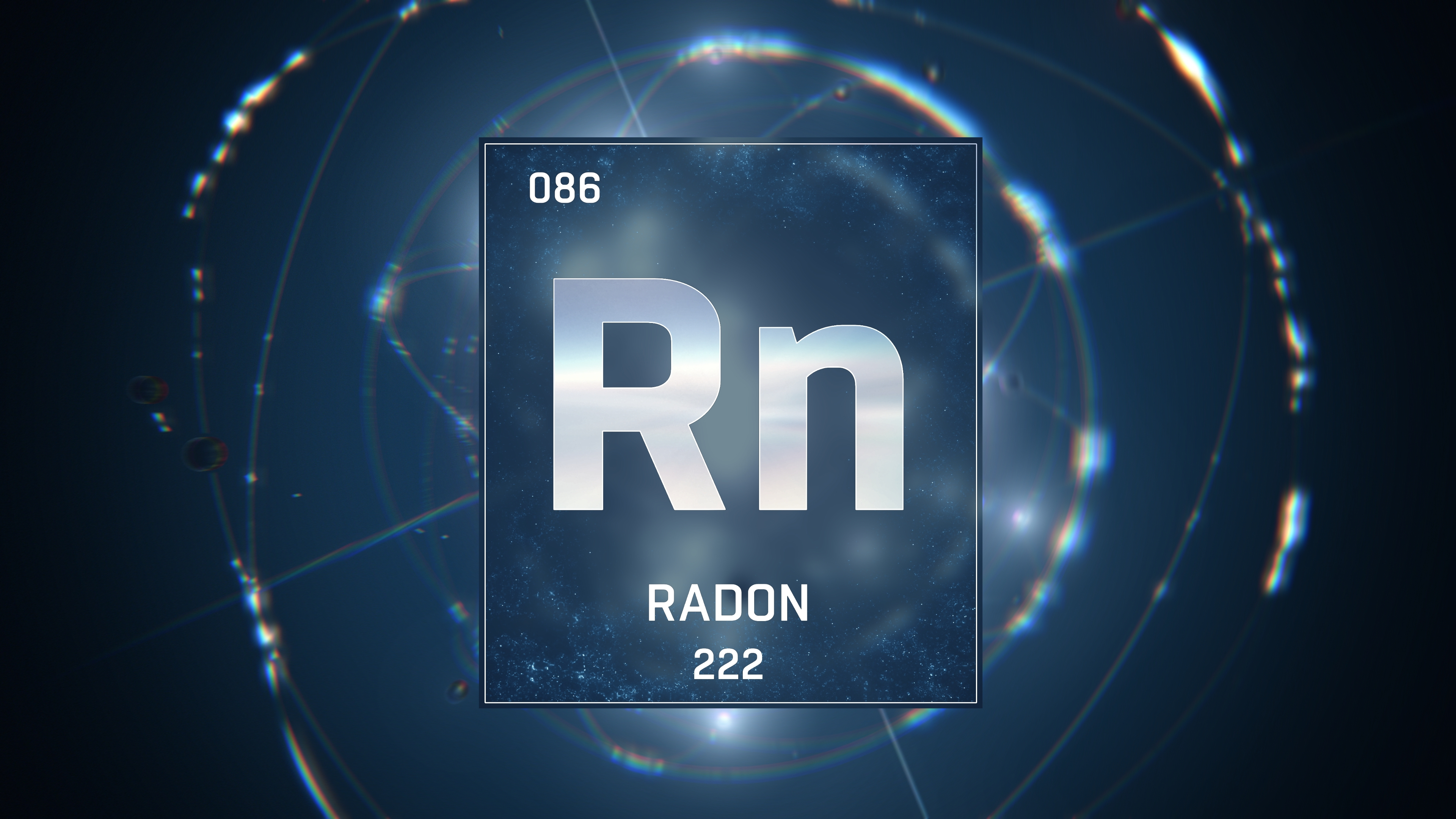
If your level is low, you have peace of mind and a documented number. If it is elevated, the good news is that radon is manageable. Mitigation systems vent the gas from below the foundation to the outside, and they are a proven fix. For a buyer, a radon result is useful information to have before closing. For a current owner, it is a simple step that protects the people living in the home.
When to Test
There are a few natural moments to test. During a real estate purchase, testing gives you a full picture of the home before you commit. After finishing a basement or making the lower level a living space, a test confirms the area is safe to spend time in. And if you have simply never tested, there is no reason to keep wondering. It is an easy box to check off.
Radon and the Home-Buying Process
Radon testing fits naturally into a home purchase. When you are already arranging an inspection, adding a radon test means you get a fuller picture of the home in one coordinated visit instead of booking a separate appointment later. For a buyer, the result becomes part of what you know before your conditions come off. If the level is low, you close with confidence. If it is elevated, you can factor a mitigation system into your plans or your negotiation. Because radon is measured, not guessed, it takes an unknown off the table. Sellers benefit too, since a test on file answers a question buyers increasingly ask, and it keeps the conversation focused on facts rather than worry.
Frequently Asked Questions
Is radon a problem on Vancouver Island?
Radon can be found anywhere, and levels depend on local geology and the individual home. Because it varies so much from house to house, testing your own home is the only way to know.
Can I add radon testing to a home inspection?
Yes. I offer radon testing as an add-on so you can handle it alongside your inspection instead of scheduling a separate visit.
What happens if my level is high?
Elevated radon is fixable. A mitigation system draws the gas from beneath the foundation and vents it outside. I can explain your results and point you toward the next step.
How much does a home inspection cost in BC?
The cost depends on the home's size, age and style, plus any add-ons. Radon testing is a separate add-on. Contact Lockwood Home Inspections for a quote on your home.
Related Reading
- Moisture, Mould, and Rot in Coastal BC Homes: What Island Owners Should Watch For
- What Does a Home Inspection Include? A Vancouver Island Buyer's Guide
Book Your Inspection
Testing is a small step that protects your family. Learn more about my services or book your inspection today.
Call Lockwood Home Inspections at (250) 213-1699 or email lockwoodhomeinspections@gmail.com. Serving Greater Victoria, the Saanich Peninsula, the West Shore, the Cowichan Valley, Nanaimo, Parksville, Qualicum Beach, and Port Alberni.