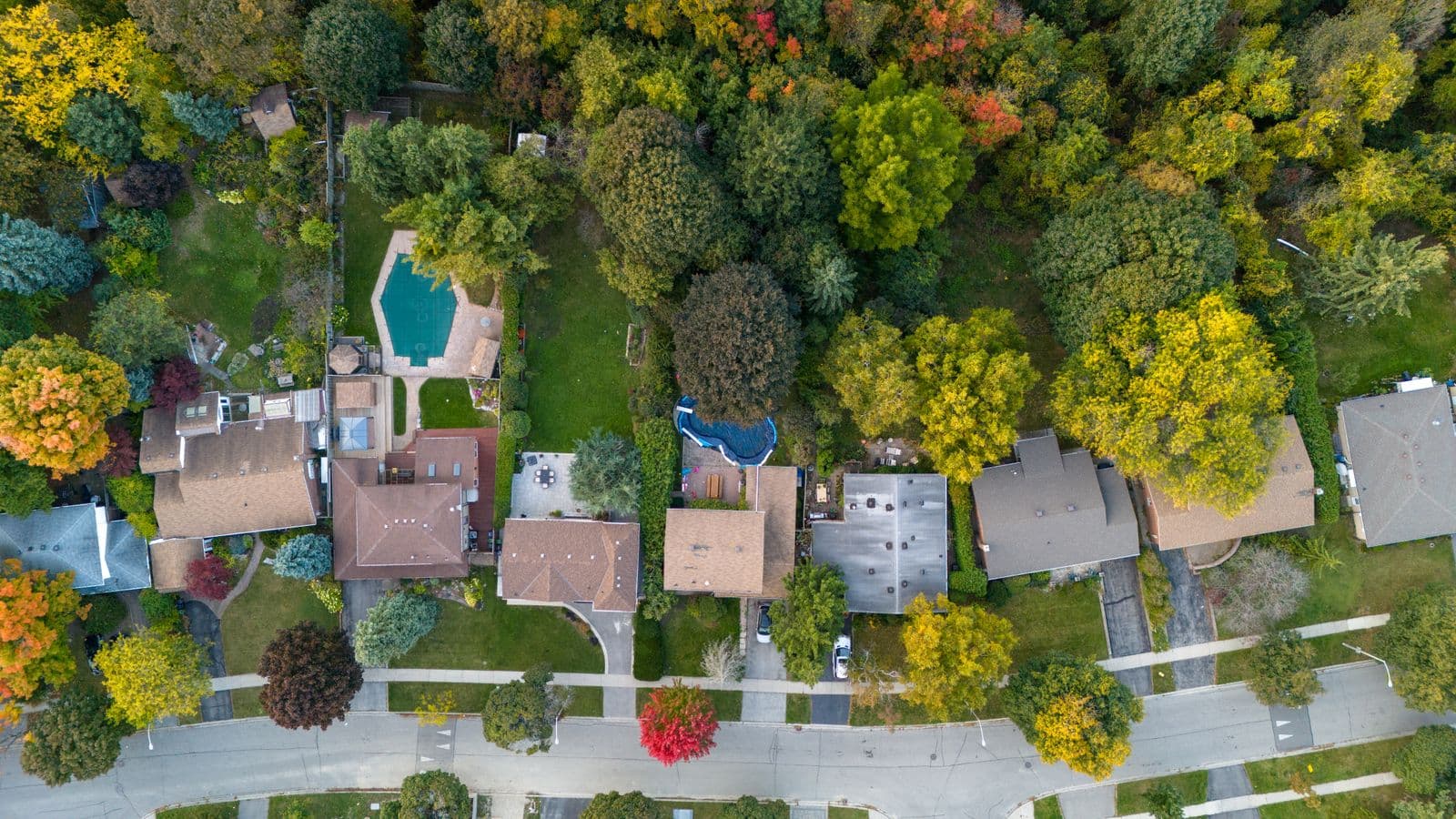
Quick answer: A drone roof inspection uses a small camera drone to look at the roof, chimney, flashing, vents, and other hard-to-reach areas from close range without anyone climbing onto a wet or steep surface. On Vancouver Island, where roofs spend months under rain and moss, it gives a clear, documented view of the one part of the house that is hardest to see from the ground.
I'm Adam Lockwood, owner and lead inspector at Lockwood Home Inspections, a Carson Dunlop top-of-class graduate and licensed home inspector in British Columbia. I serve Greater Victoria, the Saanich Peninsula, the West Shore, the Cowichan Valley, and Nanaimo, and where conditions permit, I use a drone to inspect roofs as part of a more complete evaluation.
Why the Roof Deserves a Closer Look Here
The roof is your home's first line of defence against the weather, and on the Island that weather is mostly water. From late fall through spring, roofs take steady rain, wind-driven storms off the Strait, and long stretches without much sun to dry them out. Shaded lots under Douglas fir and Garry oak add needles, leaves, and moss that hold moisture against the roofing.
Small problems up top rarely stay small. A lifted shingle, a cracked vent boot, or a gap in the flashing around a chimney can let water in for months before a stain shows up on a ceiling. By then, the sheathing, insulation, or framing may already be affected. Seeing the roof clearly before the wettest months, or before you buy, is one of the simplest ways to avoid that kind of surprise.
Why Not Just Walk the Roof?
Walking a roof can be the right call on a low-slope, dry, sound surface. But many Island homes have steep pitches, multiple levels, or roofing that is slick with moss and rain for much of the year. Some coverings, such as older cedar shakes or certain tiles, can also be damaged by foot traffic. Standing on a ladder at the eaves only shows the edge of the roof, and binoculars from the ground miss a lot on a complicated roofline.
A drone solves those problems. It can get close to every slope, valley, and penetration, take high-resolution photos, and do it without putting weight on the roofing. That means a safer inspection for me and no risk of damage to your roof.
What a Drone Roof Inspection Looks At
With a drone, I can take a close look at:
- Roof coverings: missing, lifted, curled, or cracked shingles, worn granules, damaged shakes, and the general wear of the surface
- Moss and debris: build-up that holds moisture and can shorten the life of the roofing
- Flashing: around chimneys, skylights, walls, and valleys, where many roof leaks begin
- Chimneys: the crown, masonry, caps, and the joint where the chimney meets the roof
- Vents and penetrations: plumbing vents, exhaust vents, and their seals
- Gutters and downspouts: clogs, sagging sections, and water that is not being carried away from the house
Roof findings connect to what happens below. Water that comes off the roof and is not directed away from the foundation ends up in the soil around your home, which is why I look at the roof and drainage together. If you want to read more about the ground-level side of that picture, see my post on perimeter drain inspections on Vancouver Island.
Pairing the Drone With Thermal Imaging and Moisture Testing
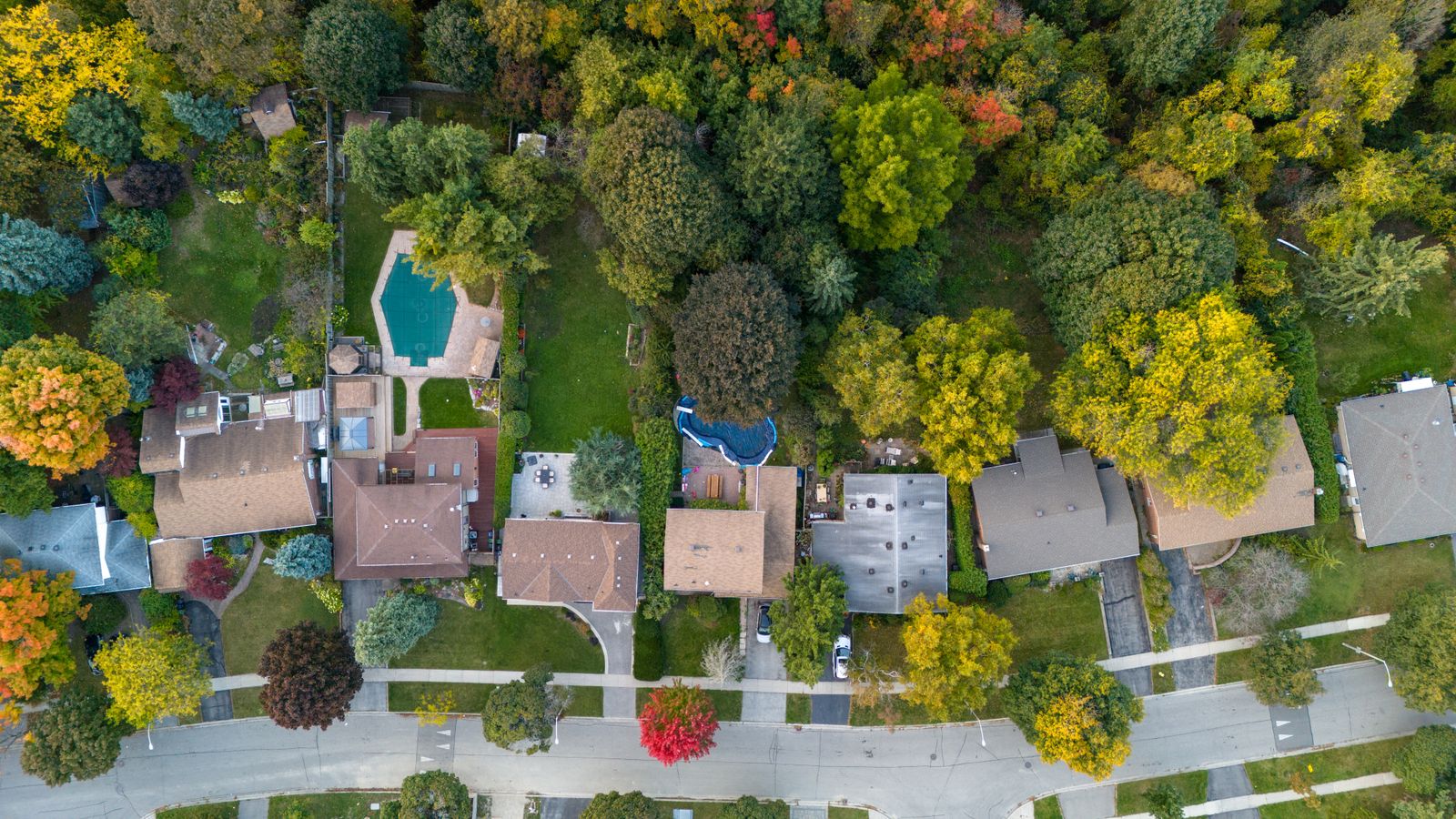
A drone shows what is happening on the outside of the roof. Inside, I follow up in the attic and on the top-floor ceilings. Every inspection I do includes infrared thermal imaging, which can help reveal hidden moisture, missing insulation, and other concerns that are not visible to the eye. Where something looks suspicious, moisture meter readings help confirm whether an area is wet.
Put together, the aerial photos, the attic check, and the thermal and moisture readings give a much fuller picture than any one of them alone. A worn flashing seen from the drone and a damp spot found under it in the attic tell a clear story. My post on moisture, mould, and rot in coastal BC homes explains why that hidden moisture matters so much on the coast.
When a Drone Can't Fly
Drone inspections are done where conditions permit. Heavy rain, strong wind, tight tree cover, nearby power lines, or airspace restrictions in some areas can make a flight unsafe or impractical on a given day. When that happens, I inspect the roof by the safest other means available and note any limitations in the report, so you know exactly what was and wasn't seen.
Who Benefits From a Drone Roof Inspection
- Buyers get close-up photos of the roof alongside the home inspection, which helps when planning repairs or discussing them before conditions come off.
- Sellers can see the roof's condition before listing and deal with obvious issues early.
- Current owners can use an ongoing maintenance inspection, which includes a drone roof inspection, to catch wear before it turns into a leak.
Frequently Asked Questions
Is a drone roof inspection part of a home inspection?
Drone roof inspections are one of the specialty services I offer, done where conditions permit, and one is included in every ongoing maintenance inspection. If you're buying, mention it when you book and I'll confirm how it fits with your home inspection.
Do drone photos end up in my report?
Yes. Photos of any concerns I find on the roof go into your report alongside my notes, so you can see the issue for yourself and share it with a roofer if needed.
Can a drone find every roof leak?
No inspection method can promise that. A drone shows the visible condition of the roofing, flashing, and penetrations. Combined with an attic check and thermal imaging, it gives a strong picture, but some leaks only show up during specific weather.
When is the best time to have my roof looked at?
Early fall, before the heavy rains, is ideal for owners. For buyers, the best time is during your inspection, before you commit to the purchase.
Related Reading
- What Does a Home Inspection Include? A Vancouver Island Buyer's Guide
- Perimeter Drain Inspections on Vancouver Island: Why They Matter
- Moisture, Mould, and Rot in Coastal BC Homes: What Island Owners Should Watch For
Book Your Inspection
Want a clear look at the roof over your head, or the one you're about to buy? Learn more about my services or book your inspection today.
Call Lockwood Home Inspections at (250) 213-1699 or email lockwoodhomeinspections@gmail.com. Serving Greater Victoria, the Saanich Peninsula, the West Shore, the Cowichan Valley, Nanaimo, Parksville, Qualicum Beach, and Port Alberni.